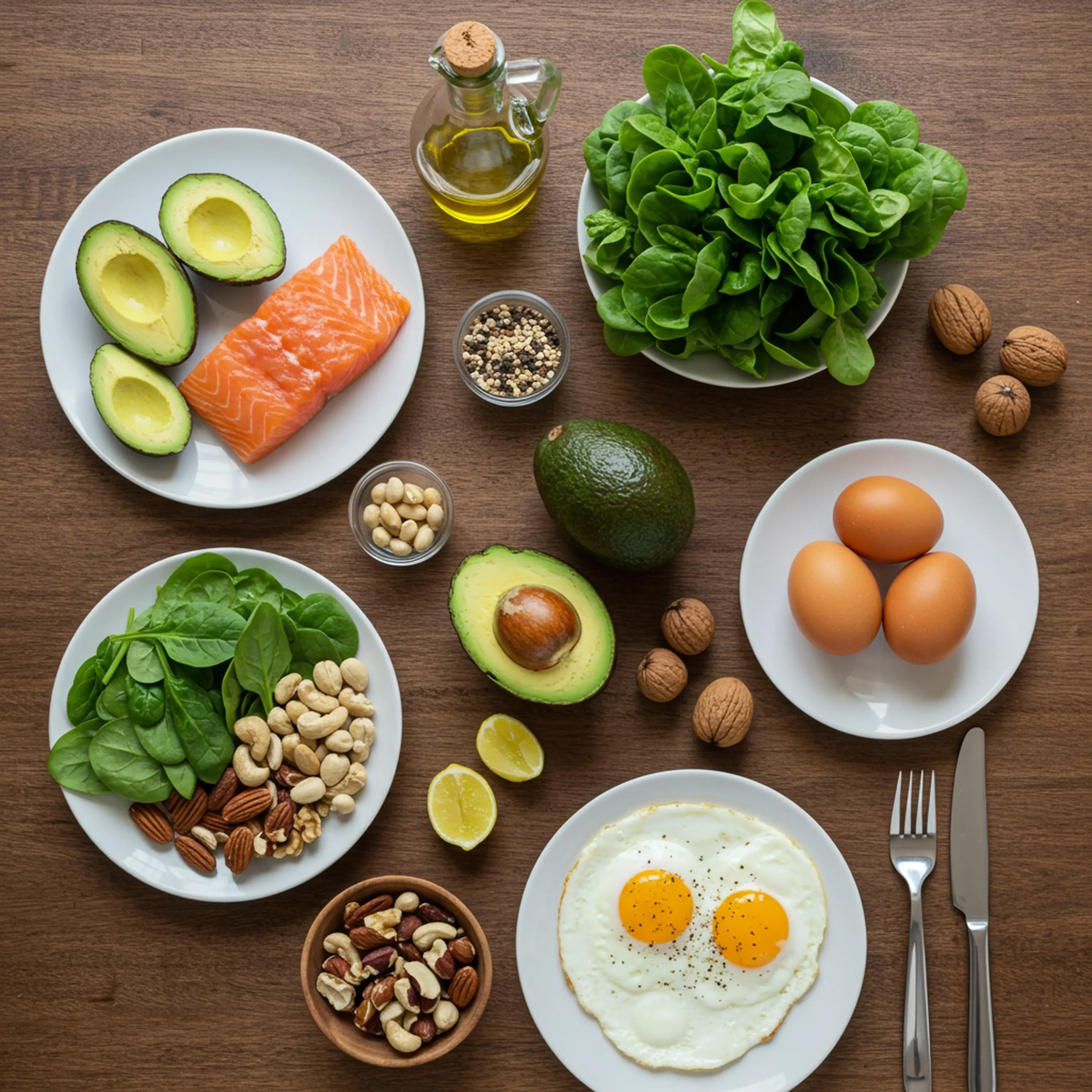
Rethinking “Clean Eating”
Rethinking “Clean Eating”
The concept of “clean eating” has gained widespread attention over the past decade, largely driven by social media, wellness culture, and nutrition-focused marketing. Foods described as “clean” are often perceived as healthier, safer, and even morally superior choices. Despite these positive associations, clean eating has no clear scientific definition and is not recognized as an evidence-based dietary framework within nutritional science. This raises an important question: does clean eating genuinely support health, or does it oversimplify complex nutritional realities?
To address this question, clean eating must be examined beyond appealing terminology and evaluated through scientific evidence, nutritional adequacy, and long-term health outcomes.
What Does “Clean Eating” Actually Mean?
Unlike established dietary patterns supported by research, clean eating is not defined by standardized criteria or regulatory guidance. The term is used inconsistently and may refer to a wide range of practices—from increasing fruit and vegetable intake to completely avoiding processed foods or entire food groups. In many cases, these practices are shaped by subjective interpretations rather than measurable nutritional indicators.
Nutrition science evaluates diet quality based on nutrient composition, dietary patterns, and long-term health outcomes. By contrast, clean eating often relies on labels such as “pure,” “natural,” or “unprocessed,” which do not necessarily reflect nutritional value. This lack of clarity makes the concept difficult to assess, replicate, or recommend within evidence-based nutrition guidance.
Clean Eating and Dietary Balance
Research consistently shows that health outcomes are shaped by overall dietary patterns rather than the inclusion or exclusion of individual foods. Balanced eating patterns characterized by variety, moderation, and nutritional adequacy are associated with a reduced risk of chronic diseases.
Clean eating narratives, however, often prioritize food purity over balance and flexibility. Highly restrictive interpretations may reduce dietary diversity and unintentionally limit the intake of essential nutrients such as calcium, iodine, iron, or B vitamins—particularly when fortified or processed foods are excluded without appropriate alternatives. This highlights the importance of evaluating diets based on nutritional sufficiency rather than perceived “cleanliness.”
When Food Becomes a Moral Choice
One of the more problematic aspects of clean eating is the moral framing of food choices. Categorizing foods as “clean” or “unclean” introduces value judgments that go beyond nutrition. This dichotomy can foster guilt, anxiety, and rigid eating behaviors, especially among individuals who are more vulnerable to disordered eating patterns.
Rigid food rules may weaken intuitive eating, disrupt responsiveness to hunger and satiety cues, and make long-term dietary sustainability more difficult. Nutrition science emphasizes flexibility and context, recognizing that healthy eating must accommodate cultural, social, and psychological dimensions of food.
Labels, Marketing, and the “Health Halo” Effect
The popularity of clean eating is closely linked to marketing strategies that capitalize on consumers’ desire for control and health. Products labeled as “clean,” “natural,” or “free-from” are often perceived as healthier, even when their nutritional profiles are similar to conventional alternatives. This “health halo” effect may lead consumers to overestimate benefits or overlook key information such as energy content, added sugars, or micronutrient composition.
An overreliance on such labels can divert attention from evidence-based dietary guidance and contribute to nutrition misinformation, particularly in digital environments where content spreads rapidly.
Real-World Access and Everyday Eating
Clean eating narratives often assume access to time, financial resources, and a wide range of food options. In reality, these assumptions do not reflect the daily circumstances of many individuals and communities. When health is framed through restrictive ideals, those with limited access to diverse or specialized foods may be unfairly stigmatized.
Evidence-based nutrition approaches focus on practicality and inclusivity. Rather than promoting exclusion or purity, they support balanced eating patterns, food literacy, and food environments that enable healthier choices within real-life constraints.
Conclusion
Clean eating is shaped more by cultural narratives and marketing than by scientific consensus. While certain practices associated with clean eating may align with healthy behaviors, the lack of a clear definition and the tendency toward restriction and moralization limit its value as a guide to healthy eating.
Nutritional quality is determined not by labels, but by balance, adequacy, and sustainability over time. A science-based approach moves beyond “clean” versus “unclean” foods and focuses instead on dietary patterns that support long-term health, flexibility, and social well-being. Healthy eating does not require purity—it requires balance, context, and evidence.
References
- Harvard T. H. Chan School of Public Health. (2024). Processed foods and health. Harvard University.
- https://www.hsph.harvard.edu/nutritionsource/processed-foods/
- Ares, G., Vidal, L., Allegue, G., Giménez, A., Bandeira, E., Moratorio, X., & Maiche, A. (2016). Consumers’ conceptualization of “natural foods”. Food Quality and Preference, 53, 104–113.
- https://pubmed.ncbi.nlm.nih.gov/27349706/
- World Health Organization. (2020). Healthy diet. WHO.
- https://www.who.int/news-room/fact-sheets/detail/healthy-diet