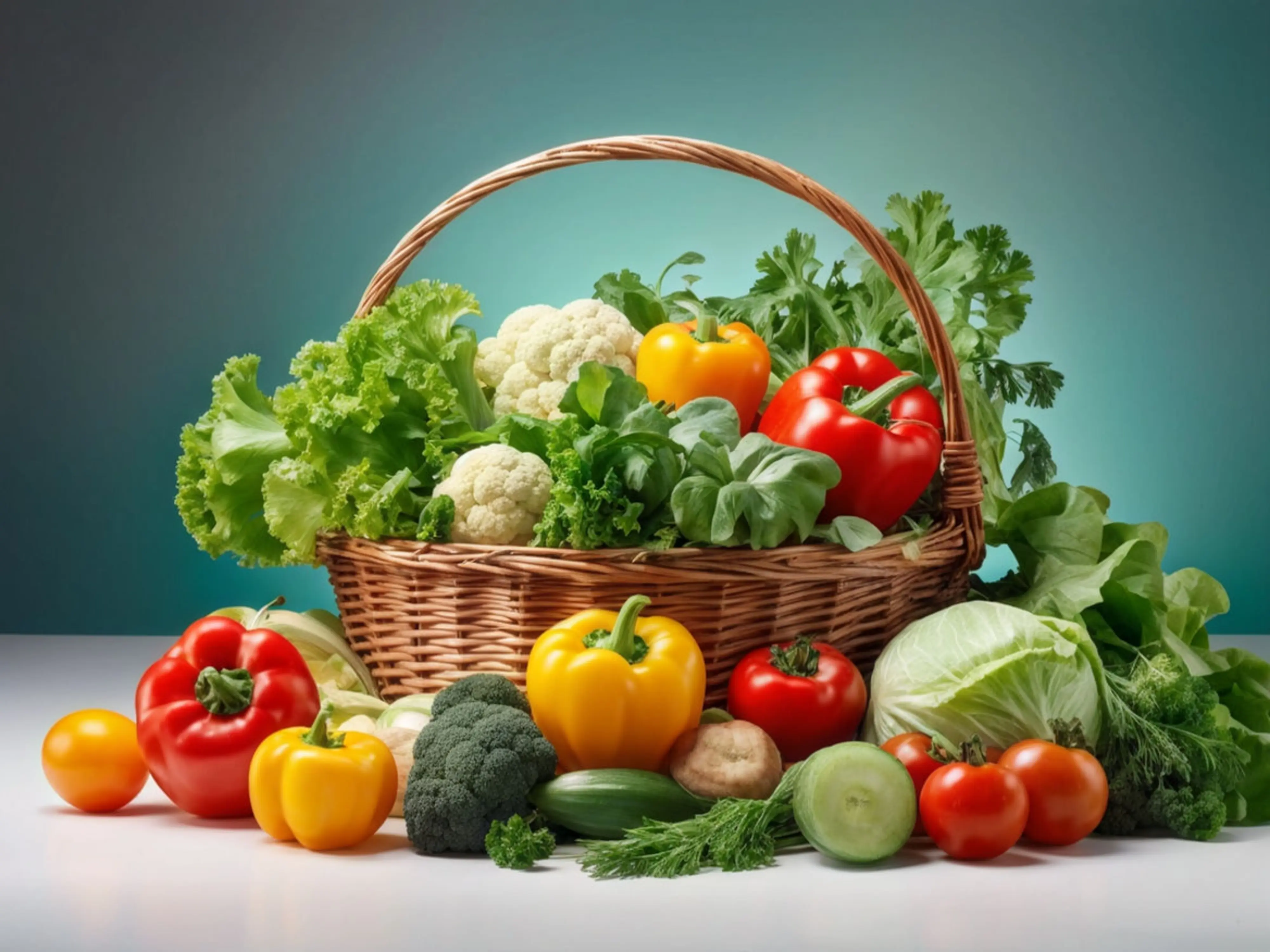
Are Natural Foods Always Healthier?
Are Natural Foods Always Healthier?
Over the past decade, the idea of “natural foods” has strongly influenced consumer choices, food marketing, and public debate. Many people associate foods labelled as “natural” with better health, higher nutritional value, and greater safety. However, scientific evidence shows that the term “natural” does not have a clear or consistent definition and, on its own, does not reliably indicate nutritional quality or health benefits. From a public health perspective, it is important to look beyond labels and focus on evidence-based nutrition.
What Does “Natural” Really Mean?
For many consumers, “natural” suggests foods that are minimally processed and free from artificial ingredients. In reality, there is no universally accepted or legally binding definition of this term. Regulatory authorities, including the U.S. Food and Drug Administration, allow its use under limited conditions, but the label does not guarantee lower sugar, salt, or fat content, nor does it ensure a healthier nutrient profile. As a result, the perceived meaning of “natural” often goes far beyond its regulatory or scientific basis.
Natural Foods and Food Processing
“Natural” is often confused with “minimally processed,” yet these concepts are not the same. Food processing includes a wide range of practices, from washing, cutting, and freezing to pasteurisation and fermentation. Many of these processes improve food safety, extend shelf life, and help preserve nutrients. For example, frozen vegetables or pasteurised milk can be just as nutritious or in some cases more nutritious than their fresh counterparts. This challenges the common belief that less processing automatically means better nutrition.
Marketing Messages and the Health Halo Effect
Food marketing frequently presents natural foods as more wholesome or authentic, which can create a “health halo” effect. Natural sweeteners such as honey, coconut sugar, or fruit concentrates are often perceived as healthier alternatives to refined sugar, despite having similar effects on blood sugar levels and energy intake. Likewise, salts marketed as “natural,” such as Himalayan salt, are sometimes viewed as superior to iodised table salt, even though iodisation is a proven public health measure to prevent iodine deficiency. These examples show how the appeal of naturalness can be misleading.
Nutritional Quality Matters More Than Labels
Scientific research consistently shows that health outcomes are determined by nutrient composition and overall dietary patterns not by whether a food is labelled as natural. Diets rich in whole grains, legumes, vegetables, fruits, and minimally processed foods are associated with lower risk of chronic diseases due to their fibre, vitamin, mineral, and phytochemical content. At the same time, excessive consumption of foods that are “natural” but high in sugar or calories, such as fruit juices or dried fruits, may contribute to weight gain and dental problems. Portion size and dietary balance remain key factors.
Conclusion
The idea that natural foods are inherently healthier oversimplifies the complex relationship between food, nutrition, and health. Nutrient content, food safety, dietary patterns, and evidence-based guidelines are far more reliable indicators of a healthy diet than marketing terms. While minimally processed foods play an important role in healthy eating, the term “natural” should be interpreted with caution. A balanced diet that emphasises fibre-rich plant foods and limits ultra-processed products remains the most effective approach to long-term health.
References :
- https://www.health.harvard.edu/blog/what-are-ultra-processed-foods-and-are-they-bad-for-our-health-2020010918605
- https://www.eufic.org/en/food-production/article/what-is-processed-food
- Ares, G., Vidal, L., Allegue, G., Giménez, A., Bandeira, E., Moratorio, X., & Maiche, A. (2016). Consumers’ conceptualization of “natural foods.” Food Quality and Preference, 53, 104–113.
- https://pubmed.ncbi.nlm.nih.gov/27349706/
- World Health Organization. (2020). Healthy diet: Fact sheet. WHO.
- https://www.who.int/news-room/fact-sheets/detail/healthy-diet